

best sellers


Sale!
Original price was: $28.00.$14.00Current price is: $14.00.
Sale!
Original price was: $14.00.$7.00Current price is: $7.00.
Sale!
Original price was: $28.00.$14.00Current price is: $14.00.
Sale!
Original price was: $75.00.$20.00Current price is: $20.00.
top collections


what’s new
Sale!
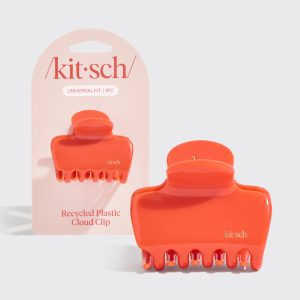
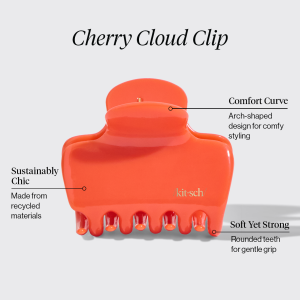
Original price was: $8.00.$4.00Current price is: $4.00.
Sale!
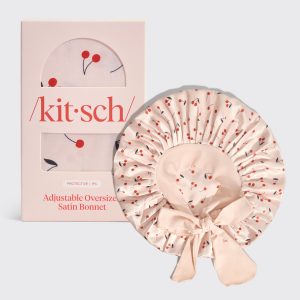
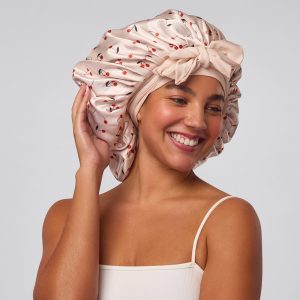
Original price was: $22.00.$11.00Current price is: $11.00.
Sale!
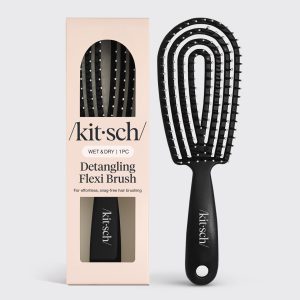
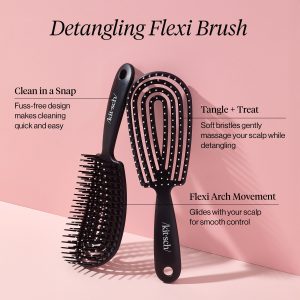
Original price was: $15.00.$7.50Current price is: $7.50.
Sale!
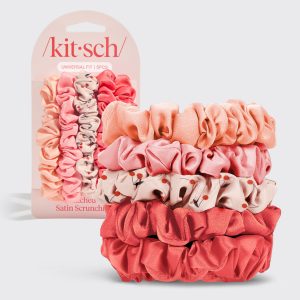
Original price was: $10.00.$5.00Current price is: $5.00.
WE’VE ALWAYS BEEN OBSESSED WITH OUR CUSTOMERS & WE THINK
The Feeling Is Mutual


Our Story
Founded by Wisconsin native Cassandra Thurswell at the age of 25, Kitsch is a global beauty powerhouse built on positivity and pure hard work. The brand supports its growing community with easy, elevated beauty solutions that are totally reliable, truly special, and made as sustainably as possible. Beginning in 2010 with a business plan no longer than a paragraph, Kitsch now supplies a full range of beauty favorites in over 20,000 retail locations worldwide. A prominent entrepreneur featured in Forbes and Inc., Cassandra continues to create elevated, sustainable beauty solutions for every moment of the day.
Ingredient Awareness
Title: Decoding the Bottle: Understanding Key Ingredients in Your Hair Care Products
Walking down the hair care aisle can be an overwhelming experience. Labels are often plastered with scientific jargon and buzzwords that can confuse even the most savvy consumer. However, understanding what goes into your shampoo, conditioner, and styling treatments is empowering. It allows you to make choices based on the actual needs of your hair rather than marketing hype. By decoding the ingredient list, you can distinguish between products that offer temporary cosmetic fixes and those that provide genuine nourishment.
The Role of Sulfates and Surfactants Sulfates have been a topic of debate for years. These are the cleaning agents responsible for the rich lather in many shampoos. While they are excellent at removing oil and grime, they can be too harsh for certain hair types, stripping away natural moisture and leading to dryness or color fading. Many consumers are now opting for sulfate-free alternatives that use milder surfactants derived from coconut or fruit sugars. These gentle cleansers clean without stripping, making them ideal for dry, curly, or color-treated hair. However, if you use heavy silicones, a sulfate shampoo might occasionally be necessary to fully remove that buildup.
Hydrators: Humectants and Fatty Alcohols When looking for moisture, look for humectants. Ingredients like glycerin, aloe vera, and honey are hygroscopic, meaning they draw moisture from the air into the hair shaft. They are vital for maintaining elasticity and preventing brittleness. Another misunderstood category is alcohol. While “drying alcohols” (like isopropyl alcohol) can be damaging, “fatty alcohols” (such as cetyl or stearyl alcohol) are actually beneficial. Derived from plants, these waxy substances give conditioners their creamy texture and help smooth the hair cuticle, providing slip and hydration.
Proteins: The Building Blocks Hair is primarily made of a protein called keratin. Over time, chemical processing, heat styling, and environmental wear can create gaps in the hair’s protein structure, leading to weakness. Products containing hydrolyzed silk, wheat protein, or keratin can temporarily fill these gaps, strengthening the shaft and reducing breakage. However, there is a delicate balance to be maintained. Too much protein can make hair stiff and straw-like, a phenomenon known as protein overload. It is essential to balance protein treatments with moisture-rich products to keep the hair soft and flexible.
Silicones: Friend or Foe? Silicones are often demonized, but they serve a functional purpose. Ingredients ending in “-cone” (like dimethicone) coat the hair strand, locking in moisture and creating a smooth, shiny finish that repels frizz. For unmanageable or extremely porous hair, silicones can be a lifesaver. The downside is that they can build up over time, preventing water from penetrating the shaft. The solution is not necessarily to banish them, but to use them mindfully and ensure you are cleansing your hair thoroughly to prevent accumulation.
Natural Oils and Butters Finally, natural emollients like argan oil, jojoba oil, shea butter, and coconut oil remain gold standards in hair care. These ingredients mimic the scalp’s natural sebum. Oils like coconut can penetrate the hair shaft to moisturize from within, while heavier butters like shea sit on top to seal in hydration. Understanding the porosity of your hair helps in choosing the right oil; low porosity hair often prefers lighter oils like almond or grapeseed, while high porosity hair benefits from heavy sealants like castor oil.